Acting
Willie Best
Also Known As: Sleep 'n' Eat, Sleep 'n Eat, Sleep n' Eat
Birth Date
May 27, 1913
Death Date
November 27, 1962
(passed away at 49)
Place of Birth
Sunflower, Mississippi, USA
Popularity
trending_up1
Biography
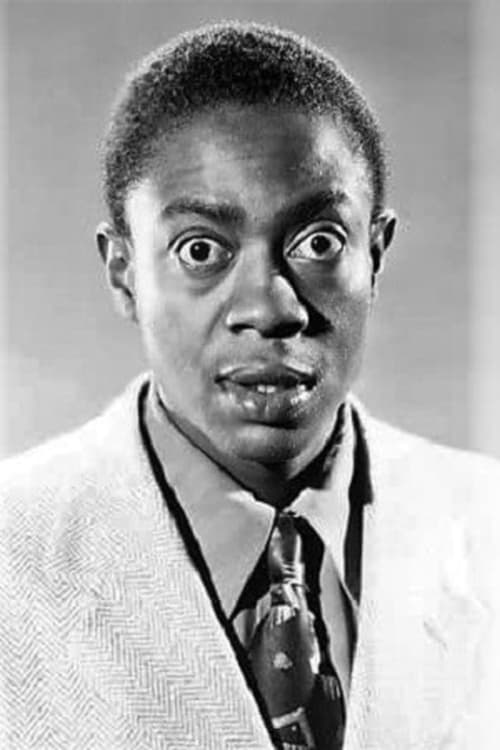
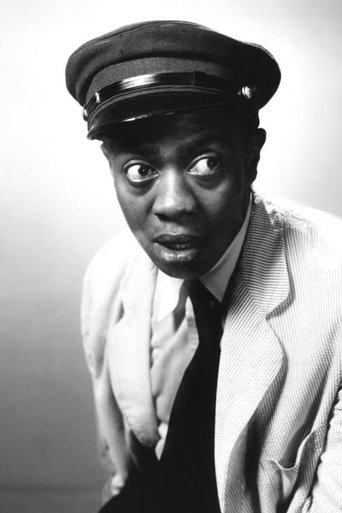
William “Willie” Best (May 27, 1916 - February 27, 1962), sometimes known as “Sleep n' Eat,” was an American television and film actor. Best was one of the first African-American film actors and comedians to become well known. In the 21st century, his work, like that of Stepin Fetchit, is sometimes reviled because he was often called upon to play stereotypically lazy, illiterate, and/or simple-minded characters in films. Of the 124 films he appeared in, he received screen credit in at least 77, an unusual feat for an African-American bit player. Willie Best appeared in more than one hundred films of the 1930s and 1940s. Although several sources state that for years he was billed only as “Sleep n' Eat,” Best received credit under this moniker instead of his real name in only six movies: his first film as a bit player (Harold Lloyd's Feet First) and in Up Pops the Devil (1931), The Monster Walks (1932), Kentucky Kernels and West of the Pecos (both 1934), and Murder on a Honeymoon (1935). Best was first loved as a great clown, then later in the 20th century reviled and pitied, before being forgotten in the history of film. Hal Roach called him one of the greatest talents he had ever met. Comedian Bob Hope similarly acclaimed him as “the best actor I know,” while the two were working together in 1940 on The Ghost Breakers. As a supporting actor, Best, like many black actors of his era, was regularly cast in domestic worker or service-oriented roles (though a few times he played the role echoing his previous occupation as a private chauffeur). He was often seen making a brief comic turn as a hotel, airline or train porter, as well as an elevator operator, custodian, butler, valet, waiter, deliveryman, and at least once as a launch pilot (in the 1939 movie Mr. Moto in Danger Island). Willie Best received screen credit most of the time, which was unusual for “bit players,” most in the 1930s and '40s were not accorded due credit. This also happened to white actors in small roles, but black actors were not credited even when their roles were larger. In more than 80 of his movies, he was given a proper character name (as opposed to simple descriptions such as “room service waiter” or “shoe-shine boy”), beginning with his second film. Best played “Chattanooga Brown” in two Charlie Chan films —The Red Dragon in 1945 and Dangerous Money in 1946. He also played the character of “Hipp” in three of RKO’s six Scattergood Baines films with Guy Kibbee: Scattergood Baines (1941), Scattergood Survives a Murder (1942), and Cinderella Swings It in 1943. (Actor Paul White, who played a young version of Best’s “Hipp” in the first film, went on to play “Hipp” in the next three films. Best returned to the role in the last two.) After a drug arrest ended his film career, he worked in television for a while and became known to early TV audiences as “Charlie the Elevator Operator” on CBS's My Little Margie, from 1953 to 1955. He also played Willie, the house servant, handyman and close friend of the title character of ABC’s The Trouble with Father, for its entire run from 1950 to 1955.
Photos
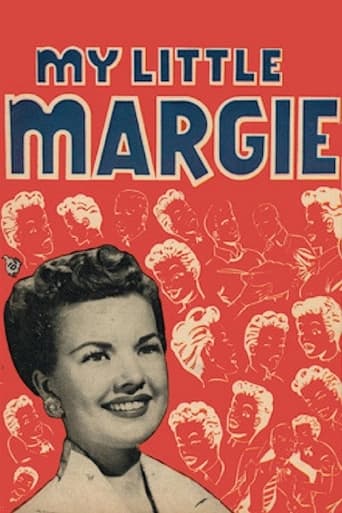
My Little Margie
1952 • 1 episode
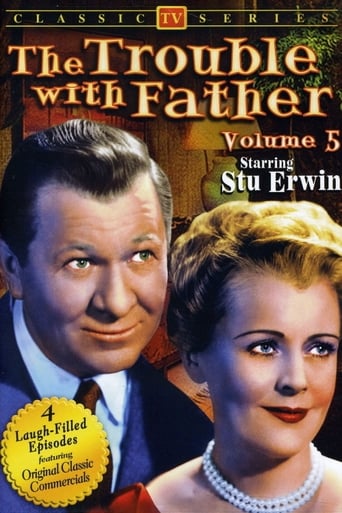
The Stu Erwin Show
Willie
1950 • 129 episodes
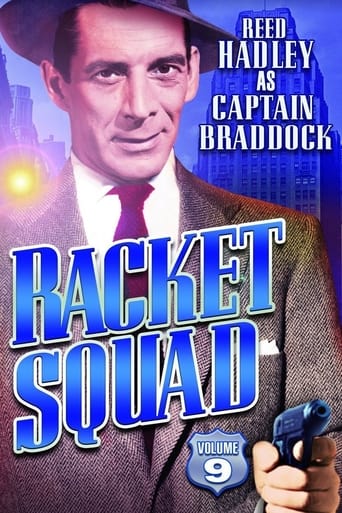
Racket Squad
1951 • 1 episode
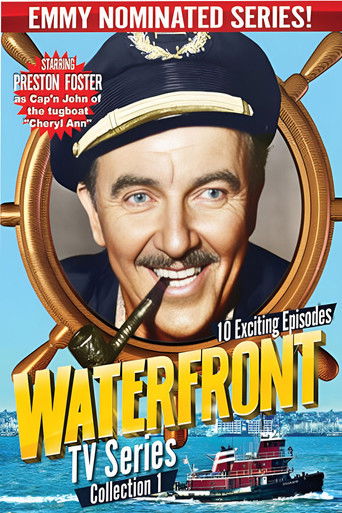
Waterfront
Billy Slocum
1954 • 81 episodes
High Sierra
Algernon
1941
Hold That Blonde!
Willie Shelley
1945
The Ghost Breakers
Alex
1940
Vivacious Lady
Porter
1938

At the Circus
Redcap (uncredited)
1939
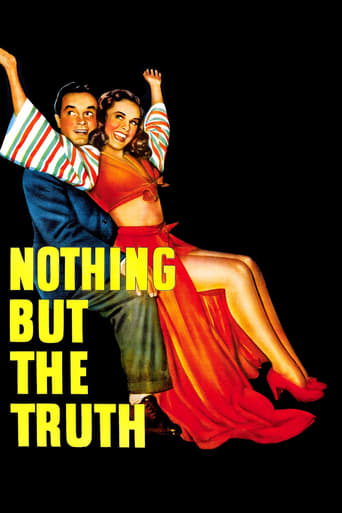
Nothing but the Truth
Samuel
1941
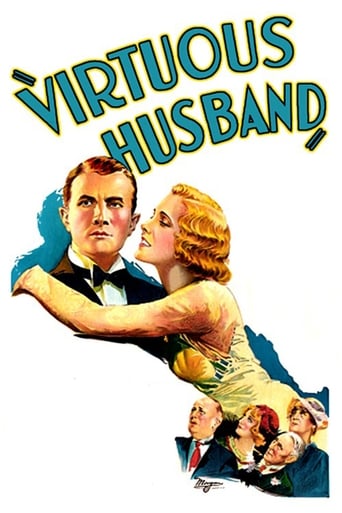
Virtuous Husband
Luftus
1931
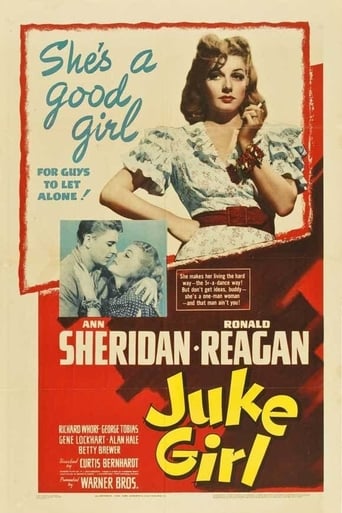
Juke Girl
Jo-Mo
1942

Bob Hope's World of Comedy
Self - Tribute Montage (archive footage)
1976
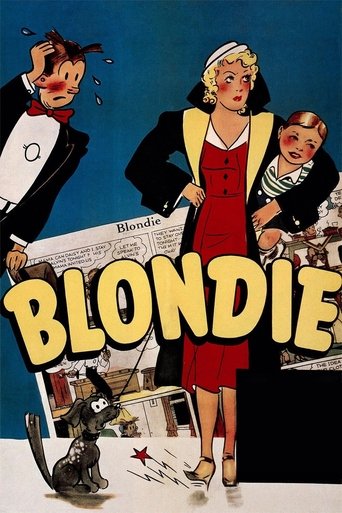
Blondie
Porter
1938
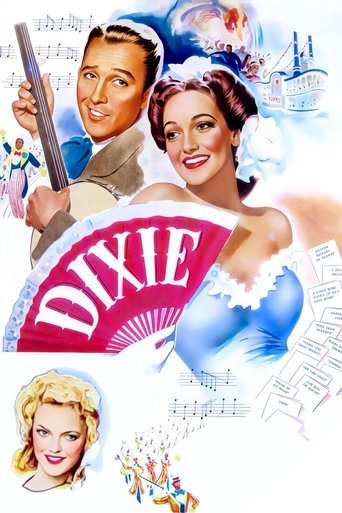
Dixie
Steward (uncredited)
1943
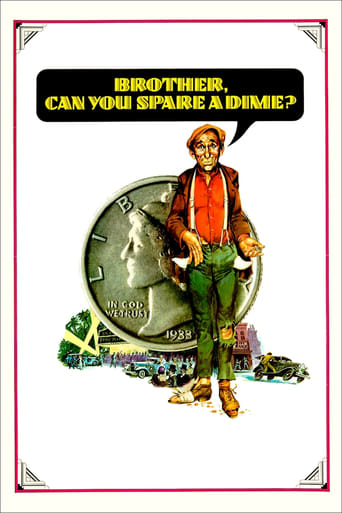
Brother, Can You Spare a Dime?
Self (archive footage)
1975
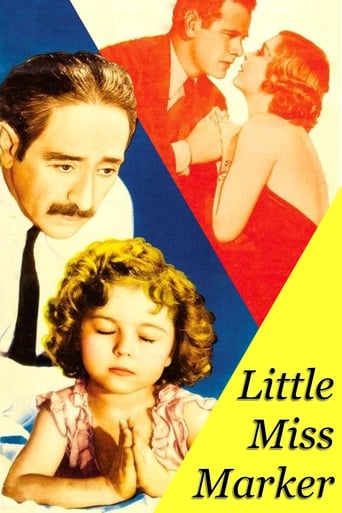
Little Miss Marker
Dizzy Memphis (uncredited)
1934
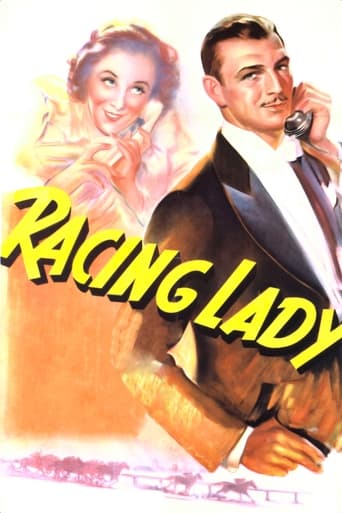
Racing Lady
Brass
1937
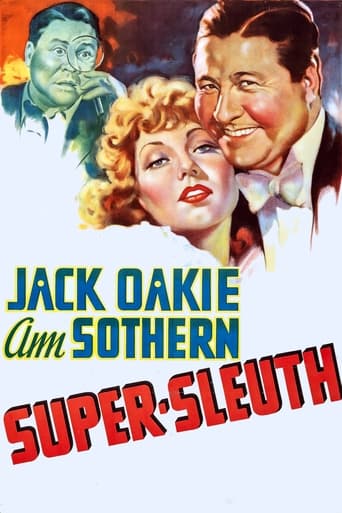
Super-Sleuth
Warts, Martin's manservant
1937
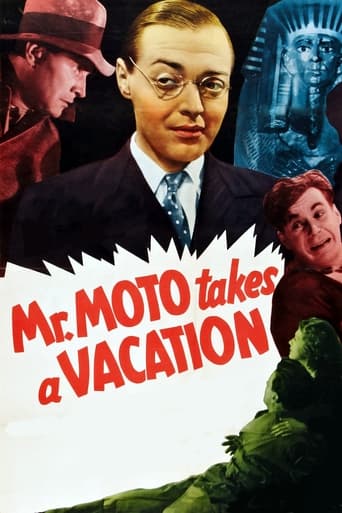
Mr. Moto Takes a Vacation
Driver (uncredited)
1939