
Oyunculuk
Anna May Wong
Diğer adları: Wong Liu Tsong, Anna Mae Wong, 黃柳霜
Doğum Tarihi
3 Ocak 1905
Ölüm Tarihi
2 Şubat 1961
(56 yaşında vefat etti)
Doğum Yeri
Los Angeles, California, USA
Popülerlik
trending_up1
Biyografi
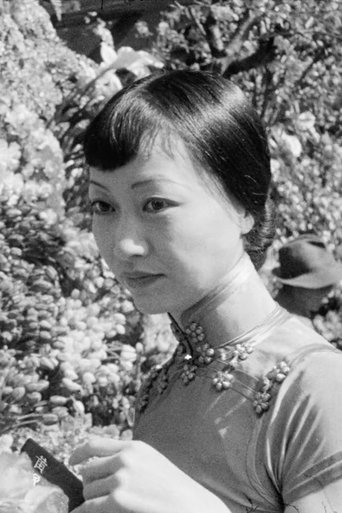
Wong Liu Tsong (January 3, 1905 – February 3, 1961), known professionally as Anna May Wong, was an American actress whose long career spanned both silent and sound films, television, stage, and radio. Apart from being recognized as the the first Chinese-American movie star, as well as the first Asian-American to become an international star, she was also seen as an acclaimed fashion icon due to her being the one of the early stars to embrace the flapper look. Born near the Chinatown neighborhood of Los Angeles to second-generation Chinese-American parents, Wong became infatuated with the movies at an early age and quit education to focus on beginning an acting career. After landing parts as uncredited extras in silent films, she had her first leading role in The Toll of the Sea (1922), one of the first movies made in color. Her role in Douglas Fairbanks' The Thief of Bagdad (1924) helped her achieve international stardom. Tired of being offered stereotypical supporting roles, she left Hollywood for Europe in the late 1920s, where she starred in several plays alongside notable names like Laurence Olivier. She made her final silent film in Britain titled Piccadilly (1929), which earned her wide praise. Her first talkie, The Flame of Love (1930), was recorded in three languages: English, French and German. She spent the first half of the 1930s traveling between the United States and Europe for film and stage work. Wong was featured in films of the early sound era, such as Daughter of the Dragon (1931) and Daughter of Shanghai (1937), and with Marlene Dietrich in Josef von Sternberg's Shanghai Express (1932). These films brought her more and more fame, which she used to express her staunch political views. Although she advocated for Chinese-American causes and criticized the stereotypical roles she played, Chinese press and critics continued to view her as a disgrace to the country. After experiencing the most severe disappointment of her career, when Metro-Goldwyn-Mayer refused to consider her for the leading Chinese role in the film The Good Earth (1937), and instead chose a white German actress in yellowface, Wong spent the a year touring China, visiting her family's ancestral village, and studying Chinese culture. Returning to Hollywood, she starred in several B movies that portrayed Chinese-Americans in a positive light in the late-1930s. As World War II rolled around, she focused less on her film career and decided to devote her time and money in helping the Chinese against Japanese invasions. Returning to the public eye in the 1950s with several television appearances, she started her own detective mystery television show titled The Gallery of Madame Liu-Tsong (1951), the first U.S. television show starring an Asian-American. She was scheduled to return to film in Flower Drum Song (1961) but she died of a heart attack. For decades after her death, Wong was remembered mostly for the stereotypical roles she was given although critics have begun to reevaluate her life and career. In 2022, Wong became the first Asian-American to be depicted on American coinage when the quarters with her image on them went into circulation. In 2023, Mattel released a Barbie doll modeled on Wong in honor of Asian American and Pacific Islander Heritage Month.
Fotoğraflar
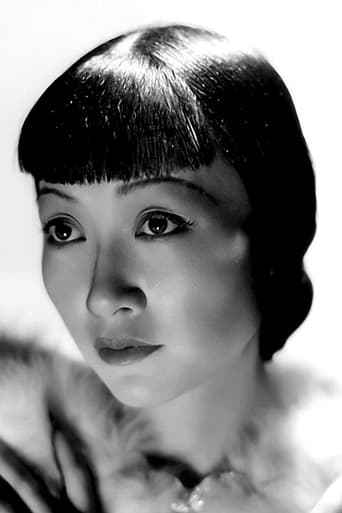


star3.8
Dizi
Climax!
Clerk
1954 • 1 bölüm
star6.8
Dizi
The Life and Legend of Wyatt Earp
1955 • 1 bölüm
star7.4
Dizi
Danger Man
Miss Lee
1960 • 1 bölüm
star6.1
Dizi
Adventures in Paradise
Lu Yang
1959 • 1 bölüm
star6.4
Dizi
The Barbara Stanwyck Show
A-Hsing
1960 • 1 bölüm
star10.0
Dizi
Asian Americans
Self (archive footage)
2020 • 5 bölüm

star6.8
Dizi
Producers' Showcase
Chinese Woman
1954 • 1 bölüm

star6.8
Film
Hollywood Party
Herself
1937
star7.3
Film
Song
Song
1928
Film
My China Film
self
1936
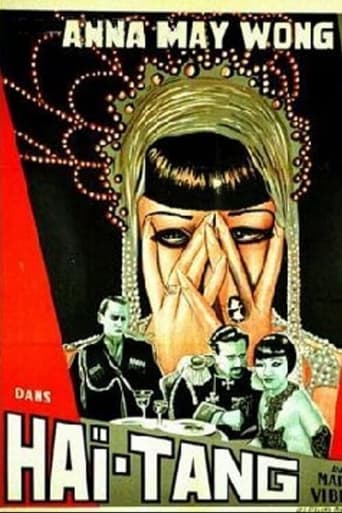
star10.0
Film
Flame of Love
1930
star6.1
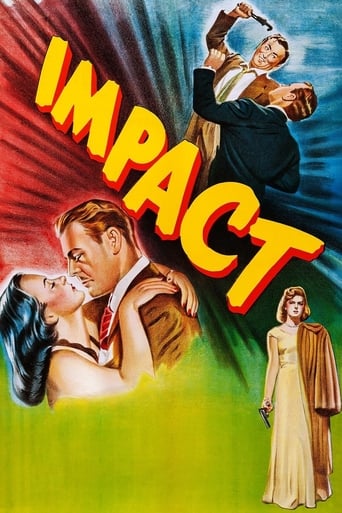
Film
Impact
Su Lin
1949
star7.0
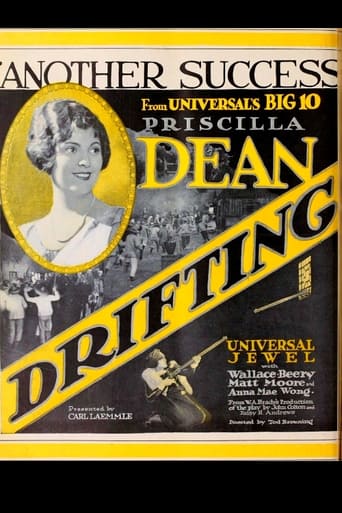
Film
Drifting
Rose Li
1923
star7.3
Film
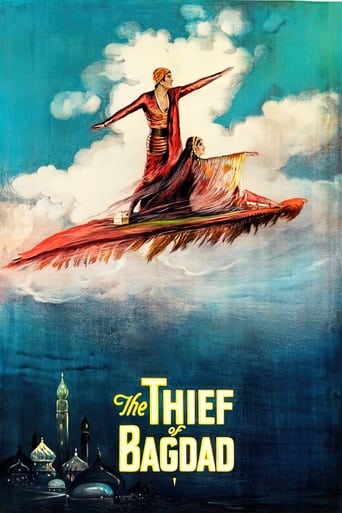
The Thief of Bagdad
The Mongol Slave
1924
star7.0
Film
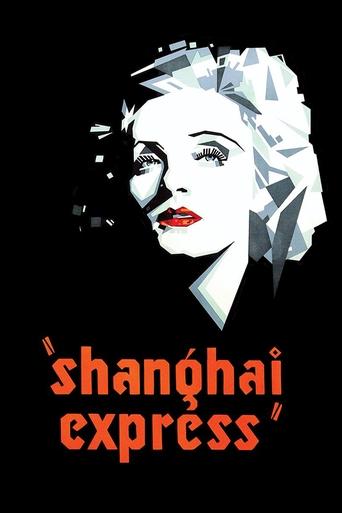
Shanghai Express
Hui Fei
1932
star10.0
Film
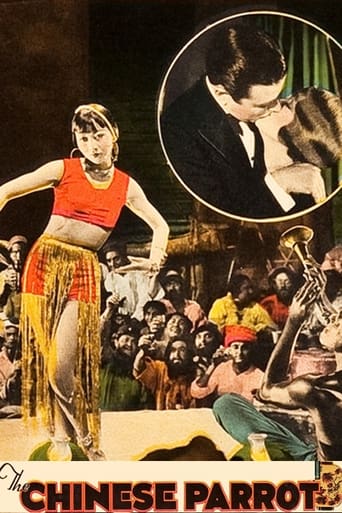
The Chinese Parrot
Nautch Dancer
1927
star5.7
Film
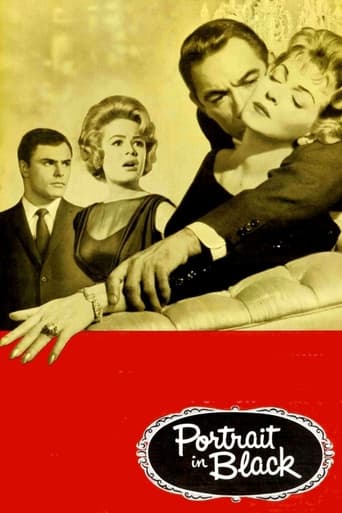
Portrait in Black
Tawny
1960
star5.6
Film
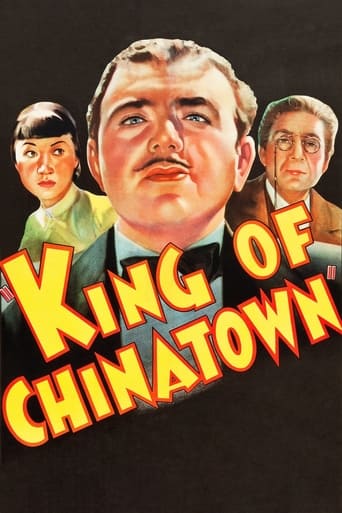
King of Chinatown
Dr. Mary Ling
1939
star6.8
Film
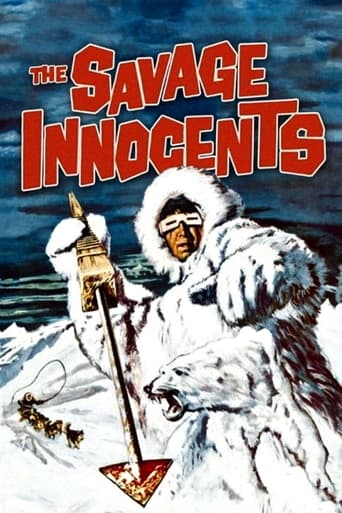
The Savage Innocents
Hiku
1960
Film
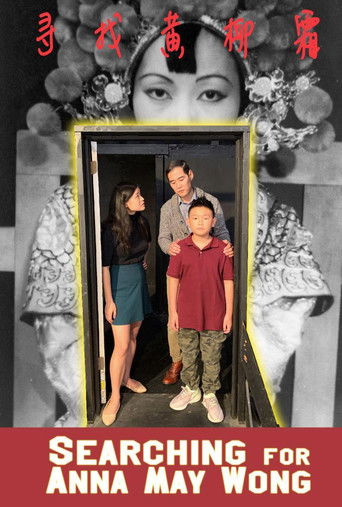
Searching for Anna May Wong
Self (archive footage)
2020