
Acteur
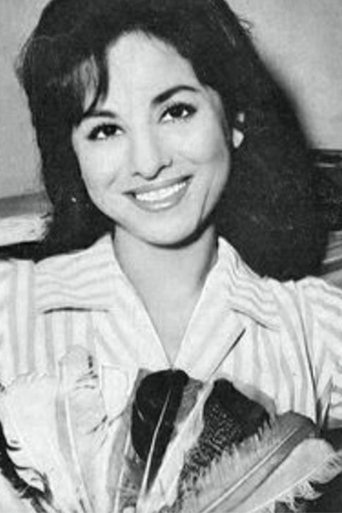
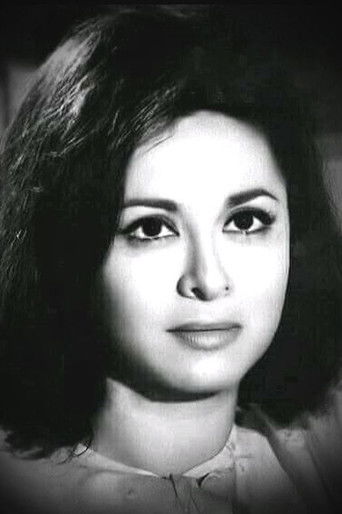
Faten Hamama
Autres noms: فاتن حمامة, Faten Ahmed Hamama, The Lady of the Arabic Screen
Date de naissance
27 mai 1931
Date de décès
17 janvier 2015
(décédé à 83 ans)
Lieu de naissance
El Mansoura, Egypt
Popularité
trending_up1
Biographie
Faten Hamama (arabe: فاتن حمامة) est une actrice et star de cinéma égyptienne, née le 27 mai 1931 à Al Mansurah (Égypte) et morte le 17 janvier 2015 au Caire (Égypte). Fille d'un professeur de mathématiques, elle tourne son premier film à l'âge de sept ans et va enchaîner les rôles pendant près d'un demi-siècle. Très jeune, elle épouse, contre l'avis de ses parents à cause de la différence d'âge, le spécialiste du mélodrame, le réalisateur égyptien Ezzedine Zulficar né en 1919, dont elle a une fille, Nadia. En 1954, déjà très grande star, elle joue dans Ciel d'enfer du réalisateur égyptien Youssef Chahine. Le film, présenté au Festival de Cannes 1954, fera partie de la sélection des 150 meilleures productions égyptiennes, lors du centenaire du cinéma égyptien, en 1996. Sur le tournage, elle s'éprend du jeune premier qui a son âge, Michel Chalhoub, le futur Omar Sharif. Elle divorce et ils se marient en 1955. Pour épouser Faten, Michel, chrétien de rite grec-catholique, se convertit à l'Islam et prend le nom d'Omar Sharif. Ils ont un fils, Tarek Sharif, jouent dans de nombreux films ensemble, notamment dans Le Fleuve de l'amour d'Ezzedine Zulficar (1961), une adaptation du roman de Léon Tolstoï Anna Karénine, et forment le couple mythique du cinéma égyptien. Faten et Omar continueront à tourner sous la direction d'Ezzedine. La carrière de Faten Hamama, connaît son apogée entre les années 1950 et 1970. Elle joue dans des comédies romantiques, avec notamment la star des comédies musicales égyptiennes, Abdel Halim Hafez, et aussi dans des films engagés, dénonçant les inégalités sociales ou défendant les droits des femmes. Dans Ouridou Hallan (Je veux une solution), où elle interprète le combat d'une femme égyptienne pour obtenir le divorce, ce film polémique permettra la révision de la législation en faveur des femmes désirant divorcer. Elle soutient la guerre d'indépendance des Algériens. Faten poursuit sa carrière en Égypte, alors que son mari Omar Sharif entame de son côté une carrière internationale; il signe un contrat de sept ans avec les studios hollywoodiens Columbia Pictures et s'installe avec leur fils à Hollywood aux États-Unis. En 1968, malgré leurs sentiments réciproques, Omar et Faten se séparent d'un commun accord pour «incompatibilité de la vie de couple avec la vie d'acteur international», et divorcent en 1974. Après son divorce, elle se remarie avec un médecin, Mohamed Abdel Wahab. Elle a été nommée docteur "honoris causa" de l'université américaine de Beyrouth pour sa popularité, ses combats pour la liberté et son engagement féministe. Elle parlait parfaitement le français. Elle meurt le 17 janvier 2015 au Caire. Source: Article "Faten Hamama" de Wikipédia en français, soumis à la licence CC-BY-SA 3.0.
Photos
Cinépanorama
Self
1956 • 1 épisode
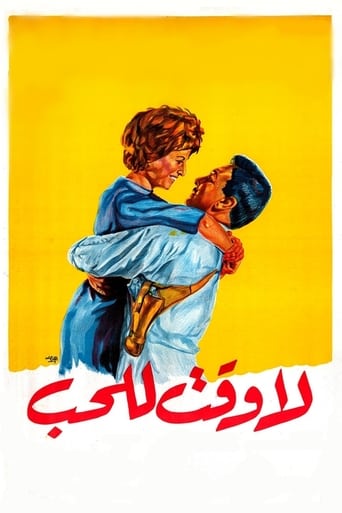
لا وقت للحب
Fawzy
1963
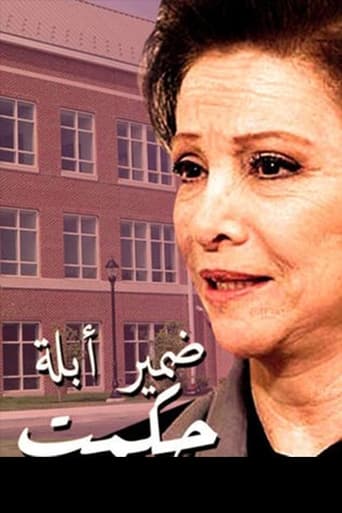
ضمير أبلة حكمت
Hekmat Hashim
1991 • 15 épisodes
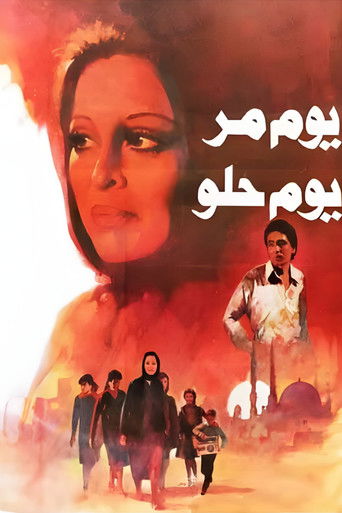
يوم مر.. يوم حلو
Aisha Muhammad Al-Mandali
1988
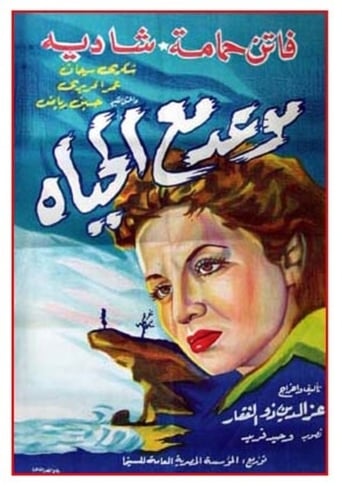
موعد مع الحياة
Amal
1953
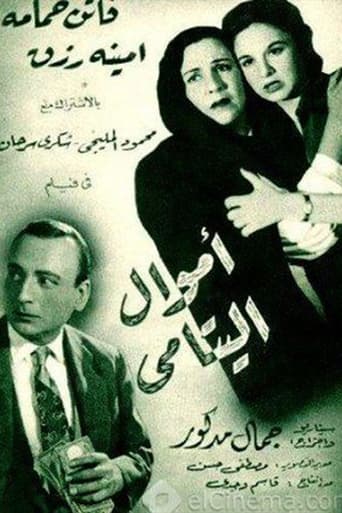
Orphans' money
Zahira - زهيرة
1952
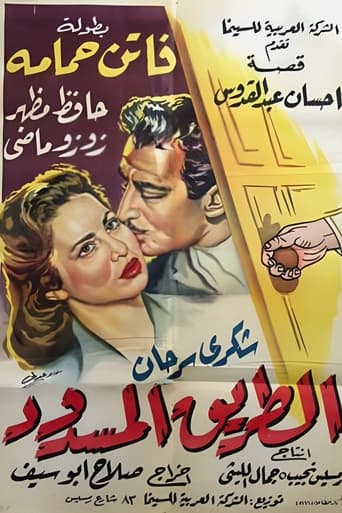
El tarik el masdud
Fayza (teacher) - فايزة راشد
1958
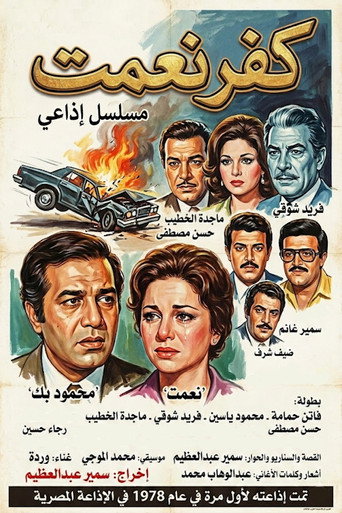
كفر نعمت
نعمت
1978 • 1 épisode
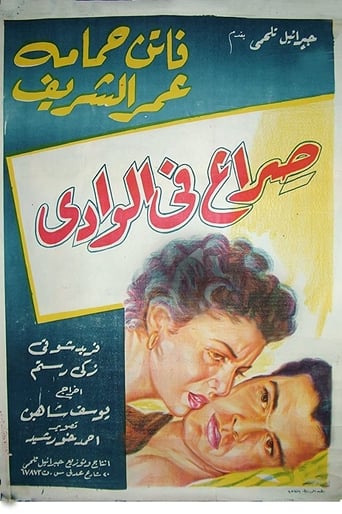
Ciel d'enfer
Amal أمال
1954
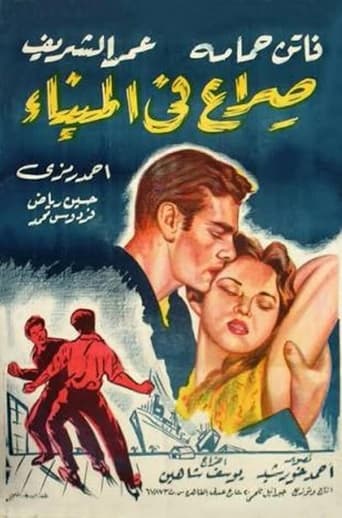
Les Eaux noires
Hamedah
1956
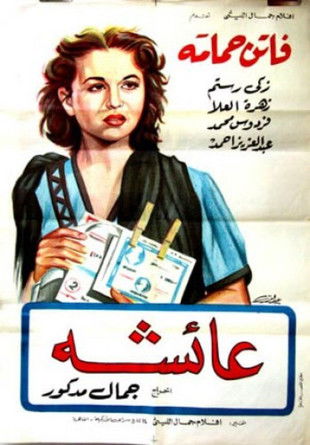
عائشة
Aisha
1953
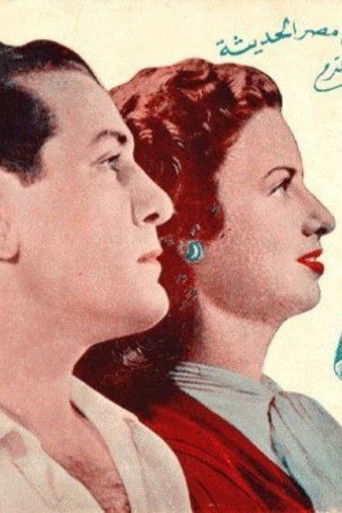
نحو المجد
1948
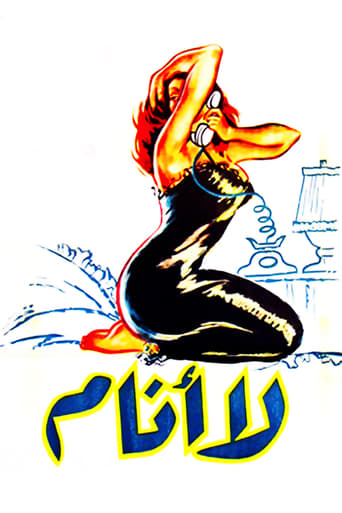
لا أنام
Nadia Lutfy
1957
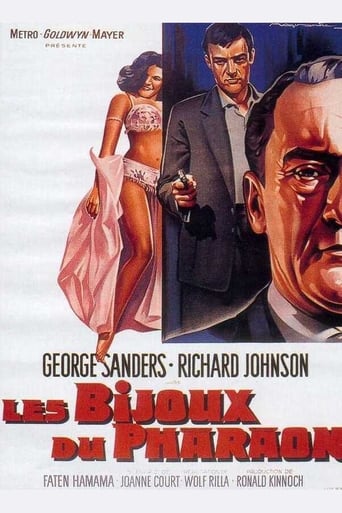
Les Bijoux du Pharaon
Amina
1963
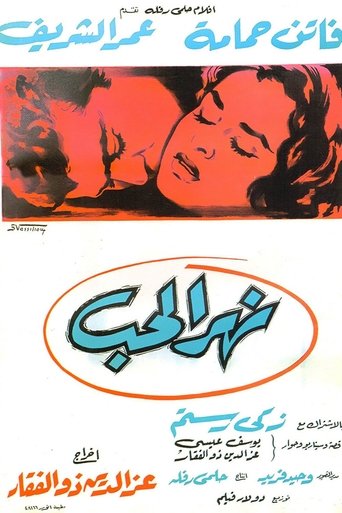
نهر الحب
نوال
1960
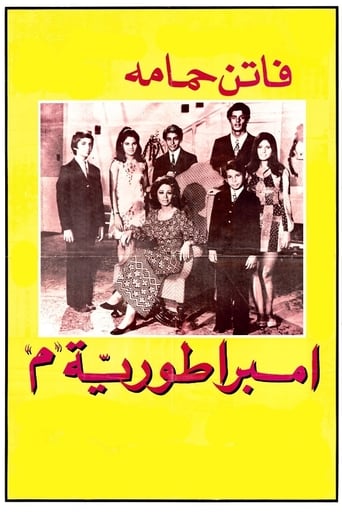
امبراطورية ميم
Mona
1972
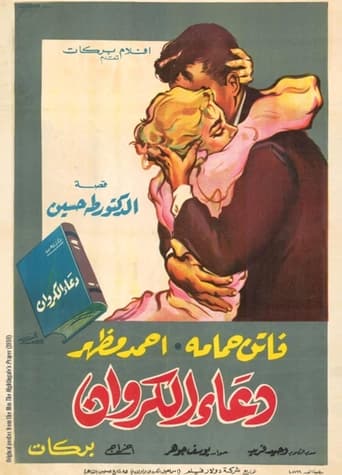
L'Appel du courlis
أمنة
1959
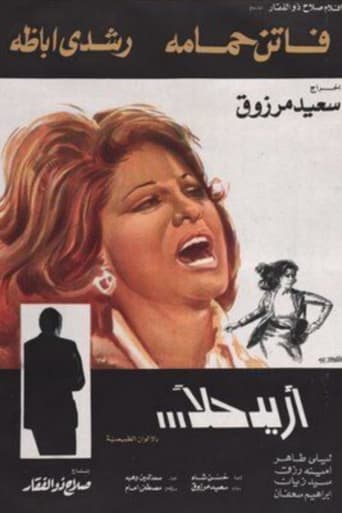
أريد حلاً
دريّة عزمي
1975
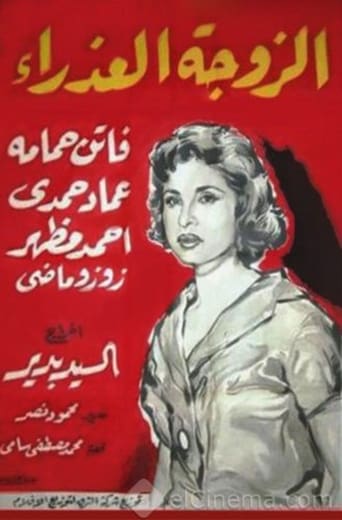
الزوجة العذراء
منى
1958

سيدة القصر
Sawsan
1958